Skilled Dentists in Montgomery, TX

Full & Partial Dentures in Montgomery, TX
Missing teeth can affect much more than the appearance of your smile. Tooth loss can make eating more difficult, affect the way you speak, and change how comfortable you feel in everyday situations. If you have lost several teeth or an entire arch, or if your current dentures no longer fit comfortably, it may be time to consider a new approach.
At Everbright Dental, Dr. Kenneth Kim, Dr. Sojin Kim, and our team provide full and partial dentures for patients in Montgomery, TX. We focus on creating dentures that are carefully fitted to your mouth and designed around your comfort, bite, appearance, and everyday needs.
Whether you are missing a few teeth or need to replace an entire arch, your treatment begins with a comprehensive evaluation. We will discuss your options, explain what the denture process involves, and develop a plan based on your individual oral health and goals.
If you are considering dentures in Montgomery, TX, call (936) 230-5525 or schedule a consultation with Everbright Dental.
Quick Takeaways
- Everbright Dental offers both full and partial dentures based on the extent of your tooth loss.
- Dentures are custom-fitted to your mouth to support comfort, function, and appearance.
- Partial dentures can replace missing teeth while preserving appropriate remaining natural teeth.
- Full dentures replace all of the teeth in an upper or lower arch.
- The denture process generally involves several appointments for impressions, fitting, try-ins, and adjustments.
- Some patients may be candidates for immediate or temporary dentures following tooth extraction.
- Follow-up appointments are an important part of achieving and maintaining a comfortable fit.
Are You a Candidate for Dentures?
Dentures can be an effective tooth replacement option for patients who are missing several teeth or an entire arch.
You may benefit from dentures if you:
- Are missing multiple teeth
- Have lost all of the teeth in an upper or lower arch
- Have remaining teeth that are too damaged or compromised to restore predictably
- Need to replace teeth following extractions
- Want a removable option for replacing missing teeth
- Are looking for a solution that can restore chewing, speech, and the appearance of your smile
The appropriate type of denture depends largely on how many teeth remain and the condition of those teeth.
Full dentures
A full denture replaces all of the teeth in an upper or lower arch. Depending on your circumstances, you may need a complete upper denture, a complete lower denture, or dentures for both arches.
Partial dentures
A partial denture is designed for patients who still have appropriate natural teeth that can be retained. The denture replaces the missing teeth while fitting around the remaining teeth.
Preserving healthy natural teeth can be an important part of treatment planning, so we evaluate the condition and long-term outlook of your remaining teeth before recommending a partial denture.
Do I need treatment before getting dentures?
Sometimes. If you have active infection, gum disease, severely damaged teeth, or teeth that need to be extracted, those concerns may need to be addressed before your final dentures are made.
Taking care of these issues first helps establish a healthier foundation for your new restoration and allows the denture to be designed around your actual oral condition.
What to Expect During the Denture Process
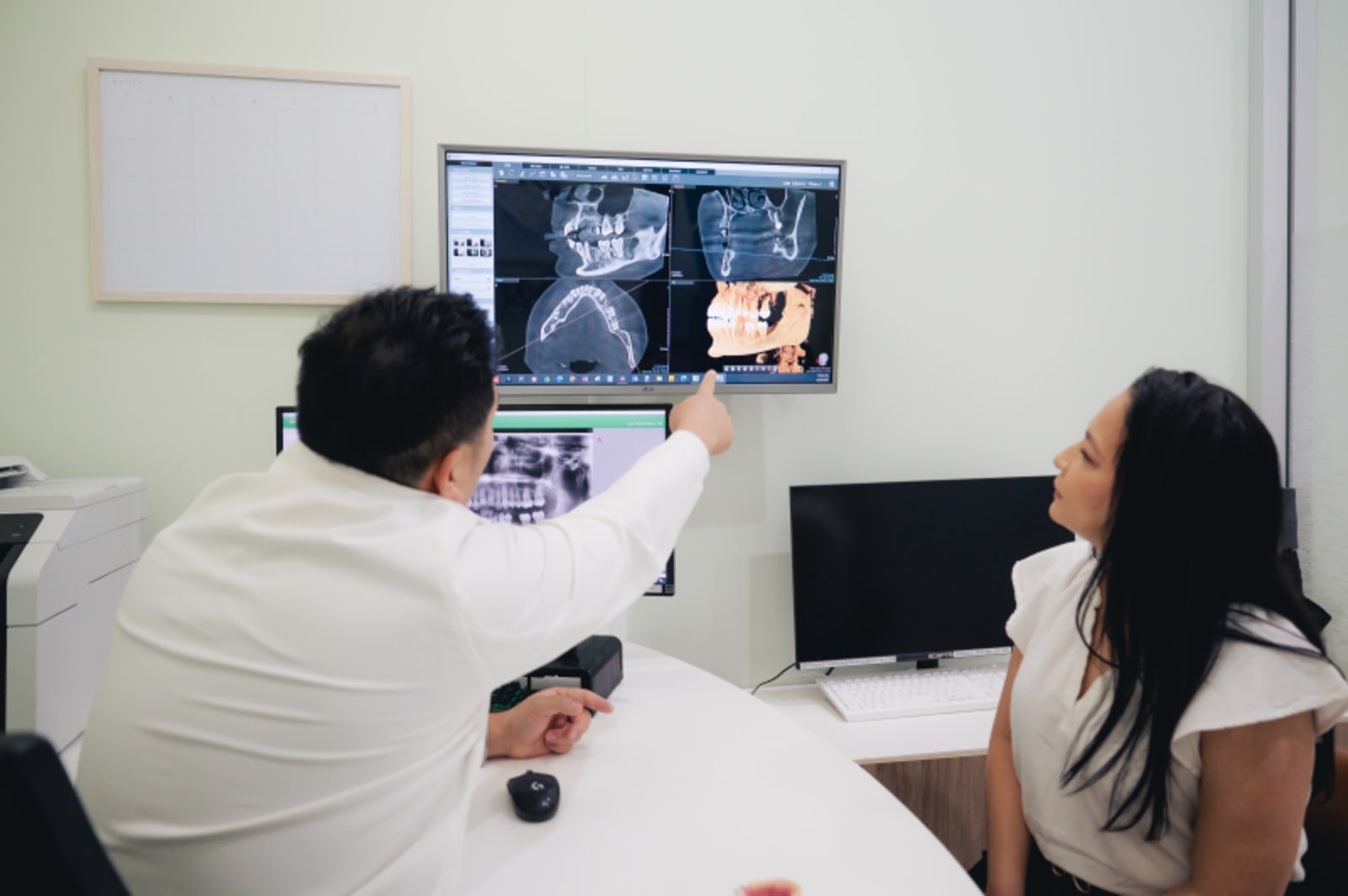
Creating a comfortable, functional denture is a process rather than a single appointment. At Everbright Dental, we use multiple stages of evaluation, impressions, fitting, and adjustment to make sure your dentures are appropriate for your mouth before the final restoration is completed.
1. Comprehensive evaluation
Your treatment begins with an examination of your teeth, gums, bite, and supporting structures. We also discuss your dental history, concerns with your current teeth or dentures, and what you want your new restoration to accomplish. If extractions or other preparatory treatment are necessary, those needs are incorporated into the overall treatment plan.
2. Impressions and measurements
Precise impressions and measurements of your mouth are taken so your dentures can be fabricated according to your individual anatomy. The accuracy of these records is important because the fit of the finished denture affects both comfort and function.
3. Fitting and try-in appointments
Depending on your treatment, you may have one or more fitting or try-in appointments before the final denture is completed. These appointments allow us to evaluate how the restoration looks and feels and make appropriate adjustments.
Your feedback is important during this stage. If something feels uncomfortable, your bite does not feel right, or you have concerns about the appearance, let us know. Adjustments are a normal part of the process.
4. Final denture placement
Once the fit and appearance have been evaluated, your final denture is completed and delivered. We will explain how to insert, remove, clean, and care for your new restoration and what to expect as you begin wearing it.
5. Follow-up and adjustments
Your mouth will need time to adapt to your new dentures, and minor adjustments may be necessary during this period. Follow-up appointments allow us to evaluate the fit and address areas of irritation, pressure, or other concerns.
The need for an adjustment does not mean something has gone wrong. Dentures are fitted to the shape of your mouth, and your tissues can respond differently once you begin using the restoration regularly.
Immediate Dentures After Tooth Extraction
If you need to have teeth extracted, you may not necessarily have to spend a period of time without teeth. In appropriate situations, an immediate or temporary denture can be placed around the time of extraction.
An immediate denture can provide a temporary tooth replacement while your gums and supporting tissues heal. Because the shape of the mouth changes during healing, however, an immediate denture may require adjustments or may eventually be replaced by a more definitive restoration.
Your dentist can discuss whether an immediate denture makes sense for your particular situation before extractions are performed.
Getting Used to New Dentures
Even a carefully fitted denture can feel unfamiliar when you first begin wearing it. Your cheeks, tongue, gums, and facial muscles need time to adapt to the new restoration. Speaking and eating can also feel different during the initial adjustment period.
Some mild soreness or irritation can occur during this stage. If discomfort persists or a particular area repeatedly becomes irritated, contact the office so the denture can be evaluated and adjusted.
Eating with new dentures
Start with foods that are easier to chew and gradually introduce firmer foods as you become more comfortable. Chewing evenly on both sides can help distribute pressure more consistently. It can also take some practice to learn how to manage certain foods with a removable restoration.
Speaking with new dentures
Your speech may sound slightly different when you first begin wearing dentures. Reading aloud or practicing conversations can help your mouth and tongue adapt to the new restoration. Most patients become more comfortable with speaking as they gain experience wearing their dentures.
Caring for Your Dentures
Proper care helps keep your dentures clean and protects their appearance and fit. We generally recommend:
- Rinse and brush your dentures regularly to remove food and buildup.
- Clean your dentures according to the instructions provided by your dental team.
- Handle them carefully over a soft surface or a filled sink to reduce the risk of damage if they are dropped.
- Store them appropriately when they are not being worn so they do not dry out or become distorted.
- Bring your dentures to dental appointments so their fit and condition can be evaluated.
- Continue regular dental visits even if you no longer have natural teeth in an arch.
If you have remaining natural teeth, those teeth still require regular brushing, flossing, and professional care.
Why Dentures Can Become Loose Over Time
A denture that initially fits well can become loose over time. This does not necessarily mean the denture itself was made incorrectly or that the materials used were low quality.
After natural teeth are lost, the jawbone and surrounding tissues gradually change shape. Because the denture rests against these tissues, changes in the underlying anatomy can affect the way it fits.
If your dentures begin to move, cause irritation, or become more difficult to use, schedule an evaluation. Depending on the condition of the denture and your oral tissues, a reline, adjustment, repair, or replacement may improve the fit.
Why Patients in Montgomery Choose Everbright Dental for Dentures

Choosing dentures is about more than replacing missing teeth. The fit of the restoration, the way it interacts with your bite, its appearance, and your ability to use it comfortably all contribute to the overall experience.
At Everbright Dental, we take time to evaluate these factors rather than treating dentures as a one-size-fits-all appliance.
Patients choose our practice for:
- Individualized evaluations and treatment planning
- Careful attention to fit and comfort
- Fitting and try-in appointments before the final restoration
- Follow-up adjustments when needed
- A team that takes questions and concerns seriously
- A comfort-focused approach for patients who feel anxious about dental treatment
Our approach is guided by the same commitment to thoughtful, patient-centered care that shapes the rest of the practice.
Frequently Asked Questions
How long do dentures last?
Many dentures remain functional for several years, but their useful lifespan varies according to the condition of the restoration, how well it is cared for, and changes in your mouth over time. Regular dental visits can help identify fit or wear concerns before they become more significant.
Should I sleep in my dentures?
In many cases, it is preferable to remove dentures at night to give the supporting tissues a break and allow the dentures to be cleaned and stored appropriately. Your dentist will provide specific instructions based on your individual circumstances and type of restoration.
Will my dentures look natural?
Modern dentures can be designed with attention to tooth size, shape, color, proportions, and the overall appearance of your smile. We strive to create a restoration that looks appropriate for your facial features and feels comfortable for you to wear.
What if my dentures become loose?
A loose denture may result from normal changes in the gums and underlying bone after tooth loss. Depending on the condition of the restoration, an adjustment or reline may improve the fit. If the denture is significantly worn or no longer appropriate for your changing anatomy, replacement may be recommended.
Can I get dentures if I still have some natural teeth?
Yes. If your remaining teeth are healthy enough to retain, a partial denture may be an appropriate option for replacing missing teeth. The condition and long-term prognosis of your remaining teeth are important factors in determining whether a partial denture is appropriate.
Are dentures uncomfortable?
New dentures can feel unfamiliar and may cause some temporary soreness while your mouth adapts. Persistent discomfort, pressure spots, or difficulty using the denture should not simply be accepted as normal. Follow-up adjustments can often improve areas that are causing irritation or instability.
Can I eat normally with dentures?
Dentures can restore significant chewing function, but eating with a removable restoration may feel different from eating with natural teeth. Most patients benefit from starting with softer foods and gradually becoming accustomed to different textures. Your dentist can also provide guidance based on your specific restoration.
Restore Your Smile With a Personalized Denture Plan
If you are missing several teeth, facing multiple extractions, or struggling with dentures that no longer fit comfortably, a consultation is the best place to begin.
At Everbright Dental, we evaluate your remaining teeth, gums, bite, and overall oral health before recommending a denture solution. Whether a full denture, partial denture, or another tooth replacement option is appropriate, we will explain your choices and help you understand what the treatment process involves.
If you're interested in full or partial dentures in Montgomery, TX, call (936) 230-5525 or request a consultation with Everbright Dental.

We can’t wait to meet you
Call 936-230-5525 or request an appointment online to set up your first visit. We’ll be in touch soon.